Category: Accessiblity & Inclusion Resources
The newly launched New Jersey Rural Health Transformation website (https://nj.gov/rural-health-transformation/) provides a central resource for communities, health care providers, partners, and others interested in the program.
Visitors can:
• Define rural — Learn what qualifies as rural in New Jersey and who is eligible for the program.
• Explore NJRHTP initiatives — Learn more about the investments and activities supporting rural health transformation.
• Check program status — Follow the program’s progress as it moves through its five-year funding period.
• Find answers — Explore frequently asked questions about the program.
• Connect with the team — Find contact information and ways to get in touch.
The website also provides an at-a-glance look at the scale of the Rural Health Transformation
American Trails has numerous resources from webinars, trainings, databases and best pratice douments for land managers, nonprofits, and volunteer orgs looking to improve inclusion and accessibility to our outdoor spaces for people with disabilities. Below is a few resources for those seeking to develop improved accessibility for disabilities.
Tools and Technology for Accessible Trails
Trail-Guidelines-in-PDF-2020.pdf
View more resources – Trail Accessibility Hub – American Trails
The Gloucester County Planning Department is currently seeking public feedback on a proposed connection between the Monroe Bike Trail and Elephant Swamp Trail. Bike Gloucester, the Bicycle Coalition of Greater Philadelphia and the Circuit Trails Coalition will provide suggested feedback on the proposal. Review the project presentation, then complete the public survey.
Are you looking to enjoy a day of sun on the beach with friends and family or tour some of the county trails? Well Ocean County has you covered. The county offers two “beachwheels.” These are comfortable, PVC chairs with wide “balloon” wheels, which enable transportation over sandy surfaces. They will transport the beachwheels to any park facility in the Ocean County park system with 36-hours’ notice.
Follow this link to learn more and how to reserve the chairs for your next adventure!
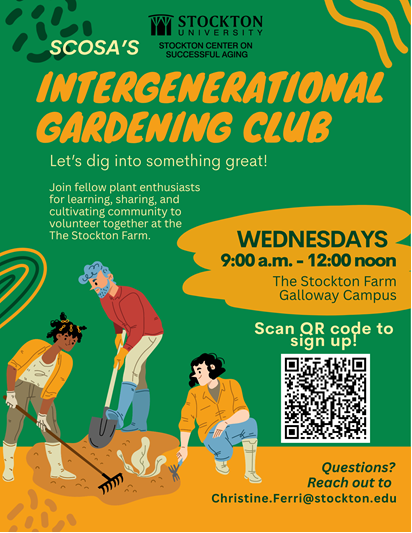
Do you have a green thumb? Or interested in learning and sharing small-scale gardening and cultiviating techniques? You can sign up and join as a volunteer at the Stockton University Farm at the Galloway Campus.
Those interested can scan the QR code to learn more and register.