
Building Access from the Ground Up: A Roadmap for Outdoor Recreation Communities

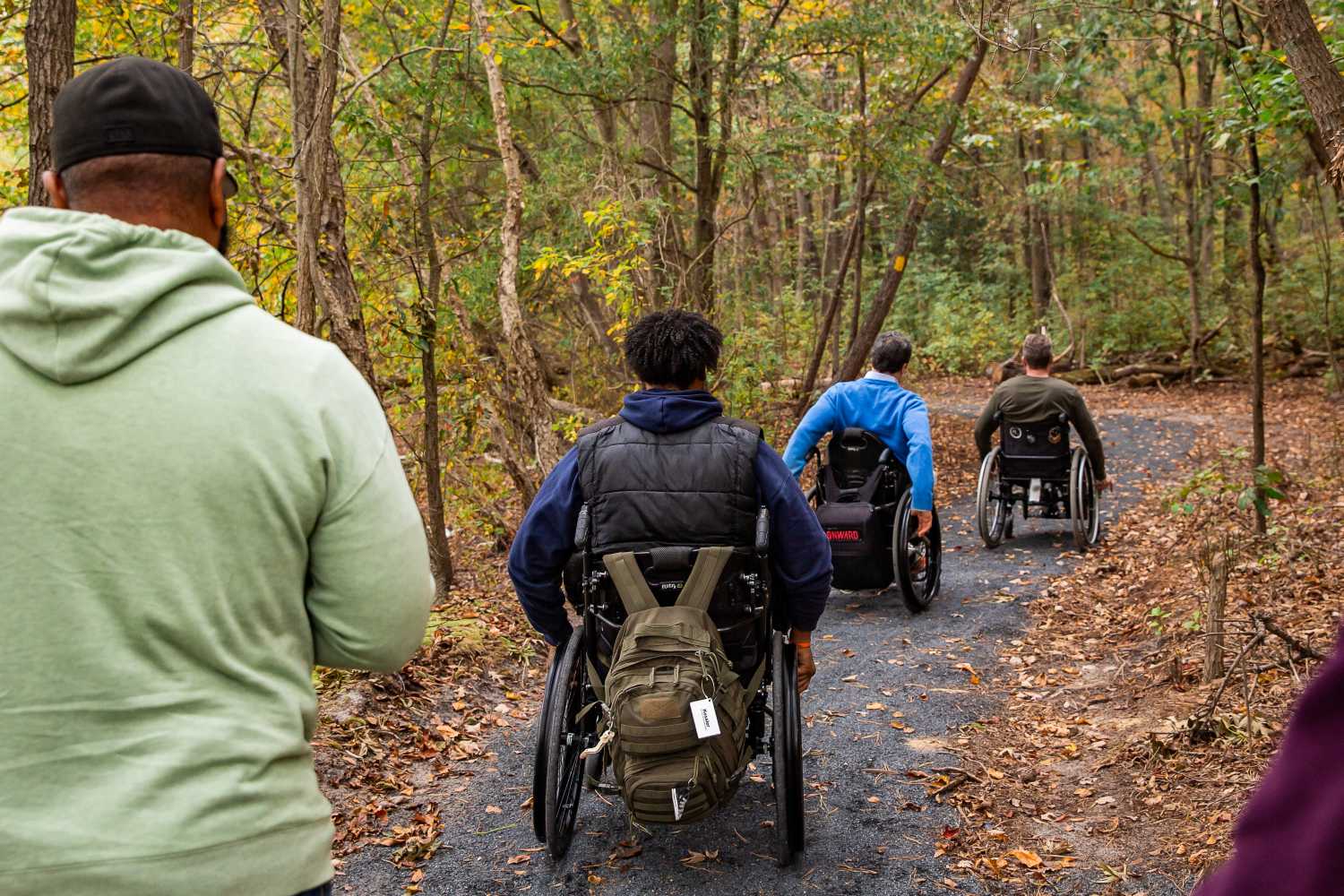
All over the country, communities are investing in accessible outdoor recreation — from Oregon’s statewide accessible recreation initiative to accessible state park lodging in Arkansas to new all-abilities trails, launches, and parks in small towns across the nation. Accessibility is fast becoming central to quality outdoor recreation, community pride, and visitor appeal.
Building Access from the Ground Up helps rural and small communities learn from this growing movement — gaining inspiration from real examples, adapting what works, and innovating to meet local needs. You’ll explore what accessibility means in outdoor settings, how to assess where you are now, and how to plan, design, and operate accessible recreation infrastructure and experiences. You’ll also learn how to prepare your community — from front-line workers to local businesses and volunteers — to welcome visitors of all abilities with confidence and care.
As with all Harbinger courses, Building Access from the Ground Up emphasizes practical tools and peer learning. Participants share ideas and lessons learned with others facing similar opportunities and constraints, building a network of peers and allies in accessible outdoor recreation. Through real-world examples, self-assessment tools, and frameworks for turning insight into progress, you’ll leave with an action plan for your own community — focused on realistic next steps that expand access, strengthen tourism, and open the outdoors to all.
What You’ll Learn
How accessible outdoor recreation connects to community, economic, and tourism development goals
What’s happening in the U.S. and Canada in accessible outdoor recreation — and how your community can join the movement
How to assess your current level of accessibility using practical self-audit tools
Design principles and adaptive equipment options for accessible trails, launches, and recreation sites
How to develop accessible programs, tours, and visitor experiences
Strategies for preparing frontline workers, businesses, and guides to welcome all visitors
How to communicate accessibility information clearly and accurately
Strategies for collective planning with residents of all abilities
Tools for measuring progress and sustaining momentum over time
There will be Four 90-minute VIDEO CONFERENCE SESSIONS. All held on Tuesdays, March 10-31, 2026 • 10:30-12 PT/1:30-3 PM ET